A Future of Conveyance: Embracing Virtual Displays
In today's fast-paced digital landscape, communication is transforming at an unparalleled rate, making the embrace of digital signage more vital than ever. Retailers, companies, universities, and including medical facilities are moving towards dynamic displays to not just capture interest but as well to enhance engagement and promote sales. As fixed displays diminish, the move to colorful, dynamic screens is transforming how content are conveyed and interpreted in various environments.
Ranging from boosting foot traffic in retail spaces to improving operations in healthcare facilities, digital signage offers flexible solutions that address the varied needs of modern audiences. By leveraging the newest technologies and trends, businesses can create memorable experiences that connect with their customers and foster brand loyalty. As we explore the coming era of communication, we will delve into key features of digital signage, revealing strategies and knowledge that will help organizations effectively implement and optimize their digital display networks.
Enhancing Customer Traffic and Sales with Digital Signage
Digital signage has become as a potent tool for businesses looking to boost foot footfall and increase sales. By utilizing dynamic visuals and compelling content, businesses can secure the focus of potential customers passing by. Unlike static signage, digital signage can be updated in instantaneously to feature promotions, fresh offerings, or events, creating a sense of need for prompt action and encouraging immediate response. This capability to tailor and refresh content according to customer preferences and market shifts makes digital displays an effective way to draw in more customer footfall.
In addition, electronic signage can substantially enhance the in-store experience for customers. Interactive displays, for example, allow shoppers to interact with items and retrieve information at their leisure. This engagement not only boosts client contentment but also boosts the likelihood of buying. Additionally, strategic arrangement of digital signs can direct customers through the retail space and showcase special promotions, making sure that they are aware of all available promotions and encouraging them to spend more duration exploring the shopping space.
Furthermore, the effectiveness of digital signage is backed by analytics that can evaluate engagement and revenue contribution. Businesses can monitor how customer interactions with screens lead to buying decisions, helping to measure the return on investment. Insights gleaned from this information can shape future strategies, optimize content, and refine strategies. As an increasing number of companies recognize the benefits of digital signage to increase foot footfall and sales, it is emerging as a critical component of modern retail strategies.
Choosing the Best Tech for Impactful Displays
Determining the right display tech is essential for boosting the influence of your virtual signage. Distinct environments need different types of screens, be it it's for a busy retail store, an al fresco event, or a corporate office space. LCD, OLED, and direct view LED every possess unique features that cater to different needs. For instance, while LCD screens are generally budget-friendly and versatile, OLEDs offer enhanced color accuracy and contrast, making them well-suited for high-end applications. On the other hand, direct view LED is well-suited for big outdoor displays where brightness and visibility are paramount.
The brightness level of your digital displays also impacts their efficacy. Outdoor signage must be radiant enough to counter sunlight and guarantee clarity, whereas indoor displays can utilize lesser brightness levels since they compete with varied ambient lighting conditions. Comprehending how to choose the best screen brightness can enhance viewer engagement and ensure messages are communicated clearly. A display that is too dim in bright environments can lead to lost messages, whereas too much brightness can be difficult to view.
Furthermore, the content displayed plays a significant role in the efficacy of the technology selected. High-refresh rate screens are becoming increasingly well-liked in high-traffic venues, as they enable seamless visuals that attract attention and keep viewers interested. In environments like retail, where dynamic content can drive sales, utilizing screens that support motion graphics can result in higher retention rates than static images. By matching the technology with both the environment and the content strategy, businesses can significantly enhance their communication capability.
Enhancing Engagement and Media Strategy
To effectively enhance interaction through digital signage, it is critical to concentrate on lively and meaningful content. Viewers are increasingly prone to engage with displays that feature vibrant visuals, intriguing animations, and up-to-date information. By leveraging motion graphics and live data feeds, brands can produce advertisements that capture attention and generate higher retention rates than conventional static displays. Synchronizing content with current events, promotions, or regional happenings adds another layer of relevance that motivates viewers coming back for additional content.
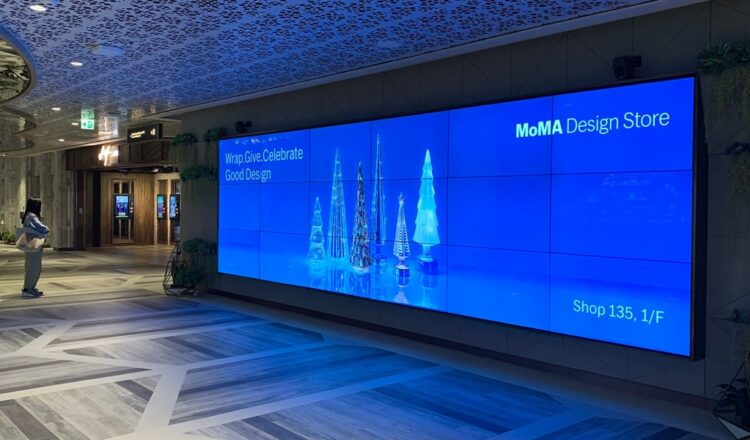
Equally critical is the strategic use of data to tailor content to specific demographics. Sophisticated technologies like smart sensors and artificial intelligence can assess audience traits in real-time data, permitting businesses to customize messaging based on age, gender, or even moods. The implementation of this technology not only boosts viewer engagement but also raises the odds of conversion by delivering targeted advertisements that resonate with audiences on a intimate level.
Lastly, a well-defined content management strategy is vital. Screen Field Notes should implement a structured approach to updating content, guaranteeing that it is new and adaptive. Using cloud-based content management systems simplifies scheduling and enables remote updates across various locations. This flexibility not only preserves time and resources but also optimizes the effectiveness of digital signage as a messaging tool. By prioritizing engagement through creative content and technology, businesses can substantially increase their marketing impact.